If you are bored of gaming, the answer is probably not another enormous open-world map, a longer battle pass, or a sequel that asks you to remember twelve characters from the previous game. You may simply be tired of the way games are being presented: endless chores, slow introductions, daily rewards, and a backlog that feels more like homework than entertainment. Tonight, the goal is smaller. Find one game with low friction, clear energy, and enough payoff to make the first hour matter.
Why you feel bored of gaming
Being bored of gaming does not necessarily mean you have stopped liking games. It can mean your available attention has changed. After work, errands, and ordinary adult responsibilities, a three-hour tutorial or complicated skill tree can feel like another task. Even a genuinely excellent 80-hour role-playing game can be a good game, wrong night.
Start by separating boredom from fatigue. If choosing a game feels exhausting, you need fewer options, not more. If every match feels repetitive, you may need a strong single-player hook. If you keep quitting after ten minutes, the problem could be friction: slow menus, vague objectives, unskippable scenes, or progress that only becomes satisfying after several sessions.
The fastest reset is to stop shopping for a perfect game. Pick a mood instead. Do you want tension, comfort, discovery, comedy, or mechanical focus? A mood-based choice is much more useful than scrolling through a library of 200 unplayed titles. You are not trying to select the best game ever made. You are trying to find something worth opening tonight.
A short session also changes the standard. A game does not need to offer a massive world if it gives you a clean 45-minute experience. Checkpoints, pause options, readable objectives, and satisfying early upgrades matter more than prestige. This is a two-hour energy game, not a weekend ownership game.
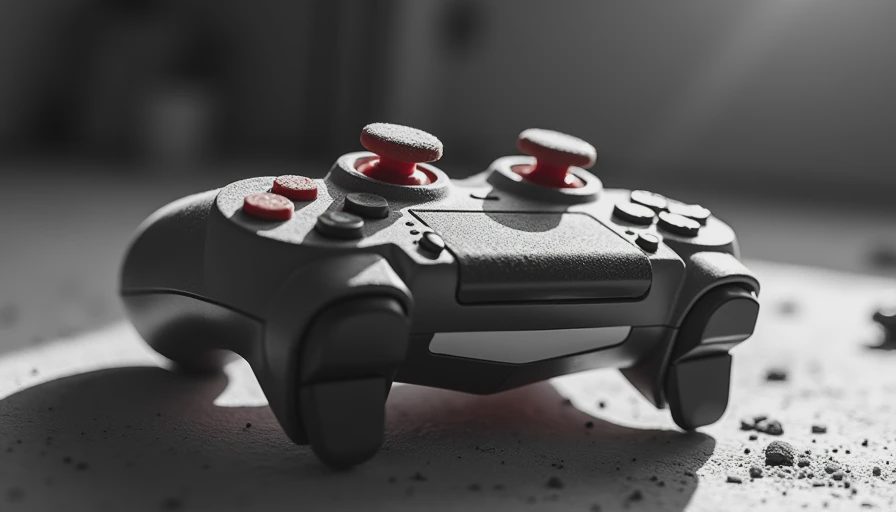
Games to try when you are bored of gaming
For immediate momentum, try a compact action game such as Hades, Vampire Survivors, or Dead Cells. Each gives you a clear reason to begin, and each can turn a short session into visible progress. Hades is especially good when you want story and combat together, because failed attempts still move conversations and character relationships forward. Vampire Survivors is better when you want almost no setup and a satisfying burst of controlled chaos.
If you want a story without a huge commitment, look at titles such as Firewatch, A Short Hike, Inside, or What Remains of Edith Finch. These are not games to approach as an investment portfolio. They are focused experiences with a strong atmosphere and a finish line you can actually see. Firewatch works when you want conversation and scenery. Inside works when you want silence, unease, and precise movement. A Short Hike is the choice for a gentle evening that does not demand emotional stamina.
For a social night, do not automatically launch the biggest competitive game on your console or PC. A familiar competitive loop can make boredom of gaming worse when every match feels like a performance review. Try a cooperative game with a defined endpoint instead. Overcooked 2, It Takes Two, and the co-op modes in games such as Deep Rock Galactic can create memorable moments without requiring perfect communication or a permanent group.
The right recommendation depends on the type of tired you are. Slay the Spire suits a brain that wants decisions but not reflexes. PowerWash Simulator suits someone who wants progress with almost no pressure. Return of the Obra Dinn suits a player who wants to think carefully and solve a real mystery. Good game, wrong night is still true when the game is excellent.
A practical reset for your backlog
When you are bored of gaming, open your library and remove the pressure to finish everything. Choose three games only: one short, one familiar, and one unusual. Give each a 30-minute test. During that time, do not evaluate graphics, review scores, or how much content remains. Ask a simpler question: did I want to see what happened next?
If the answer is no, stop. A purchase is not a contract. You do not owe a game ten hours because a critic praised it, a friend recommended it, or you bought it during a sale. Your backlog is storage, not a moral obligation. Deleting a game from your installed list can create more room for something you will actually play.
A useful test is to notice the moment you want to quit. Is it because the game is difficult, or because it is dull? Difficulty can be adjusted. Dullness usually does not improve through obedience. If a game has a compelling core but a slow opening, look for a beginner guide or settings that reduce repetition. If the core loop itself feels empty, move on without turning the decision into a debate.
Match the game to your available time
A 20-minute window favors games with instant restarts and reliable checkpoints. Vampire Survivors, Rocket League, Tetris Effect: Connected, and a single run in Hades fit that shape. A 60-minute window gives you room for a mission, a chapter, or a meaningful upgrade. A longer evening can support a slower game, but only if you genuinely want to concentrate rather than fill silence.
This is where many recommendations fail. They describe what a game is, but not when it works. Baldur's Gate 3 is remarkable, yet it is a poor suggestion for someone who has twenty minutes and a distracted brain. A calm puzzle game can be more satisfying than a celebrated blockbuster when your energy is low. Fit matters more than reputation.
Use your platform to reduce startup time. Keep one or two games installed that launch quickly and save reliably. On Steam, PlayStation, Xbox, or Switch, place likely evening choices where you can reach them without scrolling through every purchase. Removing five minutes of decision-making sounds trivial, but it often determines whether you play at all.
When to take a break instead
Sometimes being bored of gaming is a sign that you need a break from screens, not a better recommendation. If you have launched three games and immediately checked your phone, walk outside, make food, read a few pages, or watch something short. Games should compete for your attention by being good, not by making you feel guilty.
You can also change the format. Play handheld instead of at a desk. Use headphones for a quieter atmospheric game. Invite one friend for a single planned session rather than joining a large voice channel. A small change in context can make a familiar genre feel fresh without requiring a new release.
The best response to being bored of gaming is not to chase hype. Choose a clear mood, limit the options, and demand a payoff early. Try one focused game for half an hour, then trust your reaction. If it gives you curiosity, laughter, tension, or calm, keep going. If it feels like another obligation, close it. There will always be another game tomorrow, and tonight deserves one that respects your time.
No comments yet — grab the first one.